Attics look harmless. They hold holiday bins, a forgotten suitcase, and layers of insulation that muffles the house below. Left unchecked, they also become a staging ground for problems that hit hard and fast: rodent infestations, mold blooms, airborne allergens, and the slow damage that compromises structural wood and wiring. For homeowners in Los Angeles CA, attic cleaning is not an aesthetic task. It is a health and safety investment that protects children, elderly relatives, and pets from concrete hazards and ongoing expense.
Why this matters
Rodent activity in an attic is not a scene you fix with a humane trap and a prayer. Mouse and rat urine and droppings carry pathogens, their nested insulation spreads exhaustively, and chewing damages wiring, increasing fire risk. Meanwhile, old insulation and organic debris can harbor mold and pest feces that become airborne when the HVAC system is running. In a climate like Los Angeles, where mild winters and warm summers extend breeding cycles, small problems can escalate into structural and health crises in a matter of months.
What a thorough attic cleaning actually removes
A proper cleaning goes well beyond sweeping. Expect removal of contaminated insulation, rodent nests, droppings, and any dead animals. Technicians also brush and vacuum rafters, joists, and duct openings, treat surfaces with EPA-registered disinfectants where appropriate, and inspect for entry points and chewed wiring. If mold is present, remediation follows protocols to stop spores from spreading into living spaces, often including HEPA vacuuming and, when necessary, controlled removal of affected material.
A case from experience
I once worked with a family in Echo Park who mistook a persistent musty smell for a basement problem. An inspection revealed a long-standing rodent colony in the attic. Browse around this site The infestation had been active for at least a year, evidenced by layered droppings and tunnels through insulation. The HVAC intake ran directly through the attic, which had circulated contaminated dust into the living room and two upstairs bedrooms. After removal of about 200 square feet of heavily contaminated insulation, targeted disinfecting, and sealing of four entry points, the family reported fewer allergy symptoms within two weeks and a visible drop in dust accumulation. The upfront cost was higher than one DIY run to the hardware store, but it prevented a seasonal recurrence and potential wiring damage that would have been far more expensive.
Health risks to children, elderly, and pets
Rodents bring more than chewed boxes. Hantavirus, leptospirosis, and salmonella have associations with rodent waste. Hantavirus pulmonary syndrome is rare, but it is severe. For pets, ingesting contaminated material or dead rodents can lead to acute illness. Dust contaminated by droppings becomes airborne during HVAC cycles or simple activity in the attic, exposing everyone beneath. Allergic reactions and asthma flare-ups are common consequences when attics host long-term contamination. Cleaning a loft that vents into living areas is effectively an act of indoor air quality control.
Rodent attic clean up versus ordinary attic cleaning
Not all attic cleanings are equal. A standard attic tidy focuses on organization and insulation refresh if needed. Rodent attic clean up is a specialized service that addresses biohazards. It includes biohazard containment, personal protective equipment for technicians, HEPA filtration, surface disinfection, and proper disposal of contaminated materials. If droppings are present, especially in large quantities, the approach shifts from cosmetic to remedial. Expect trained teams who follow Occupational Safety and Health Administration guidance for handling potentially infectious material.
Costs and what influences them
Costs vary widely depending on contamination level, attic size, access difficulty, and whether repairs are needed. In Los Angeles, a basic attic clean with minimal contamination and improved insulation might run in the low hundreds of dollars. A rodent attic clean up with insulation replacement, mold remediation, and sealing can enter the thousands. If wiring has been chewed, an electrician’s assessment and repairs add to the total. When a contractor quotes, ask for a line-item estimate: removal, disposal, disinfectant application, insulation replacement, entry point sealing, and any electrical or HVAC work. That transparency lets you compare proposals intelligently.
DIY versus hiring an attic cleaning company
DIY is tempting. A roll of insulation, a respirator, and a weekend seem straightforward. There are valid reasons to hire professionals though. They bring equipment not commonly owned by homeowners, such as commercial HEPA vacuums, negative air machines, and industrial disinfectants. They understand containment, so they avoid spreading dust into your home. They can legally and safely dispose of biohazard material and document work for insurance claims. On the other hand, for small, visual cleanups with no signs of infestation or contamination, a homeowner with proper PPE and a strong vacuum might handle basic tidying. The hard lesson is that underestimating the presence of contamination leads to incomplete cleanups that invite recurrence.
How pest control attic cleaning integrates with rodent control
Attic cleaning and pest control are partners, not substitutes. Cleaning eliminates the reservoir of contamination, while rodent control closes the loop by removing and preventing animals from returning. A competent attacker of the problem will combine both services or coordinate close collaboration. Trapping and exclusion work hand in hand: once droppings and nesting material are gone, technicians identify and seal the likely entry points, install one-way doors or traps where appropriate, and set follow-up inspections. For many Los Angeles homes, roof vents, soffit gaps, plumbing chases, and attic vents are common access points that must be addressed during the same project.
Choosing an attic cleaning company in Los Angeles CA
Selecting the right company matters. Here are five practical items to check when you get quotes:
Is the company willing to provide a written scope of work that distinguishes cleaning, remediation, and repair? Do technicians wear appropriate PPE and use HEPA filtration? Ask about vacuum models and disinfectants. Will the contractor document conditions with photos before and after work, and provide disposal records if hazardous material is removed? Are references available from recent local jobs, and can they demonstrate experience specifically with rodent attic clean up and pest control attic cleaning? Does the company carry liability and pollution insurance, and are they licensed for waste disposal in Los Angeles County?These points reveal whether a contractor treats a contaminated attic as a liability or merely as a source of billable hours.
What to expect during a professional attic cleaning day
On arrival, a competent crew will stage outside, confirm the agreed scope, and discuss access and safety. They will match their approach to the attic type. A low-clearance attic above a single story may require different tools than a tall cathedral-style loft. Technicians will usually remove stored items to a protected area, bag and seal contaminated material, and then perform HEPA vacuuming. Next comes disinfection of joists, beams, and visible surfaces. If insulation is beyond salvage, they remove it in sections and replace it with new material rated for your climate and energy goals. Finally, they take photographs and walk you through repairs and recommended follow-up steps.
Time estimates depend on size and severity. A straightforward attic clean for a 1,000 square foot attic might take a day. A rodent attic clean up with insulation replacement and sealing can stretch over two to three days, particularly if electrical work or mold remediation is required. Weather, permit needs for larger removals, and availability of specialized insulation materials can extend timelines.
Mold and moisture: how LA specifics influence decisions
Los Angeles is mostly dry, yet localized moisture issues arise from roof leaks, plumbing, and attic ventilation problems. Poor ventilation traps humidity, which fosters mold in older insulation and on wood. When mold appears with rodent contamination, the cleaning process becomes more complex. Mold remediation requires containment to prevent spore spread into living spaces. Small, isolated mold patches can often be cleaned, while larger infestations may require removal of affected insulation and replacement. If you see visible mold growth wider than a few square feet, plan for a remediation strategy that includes moisture source correction, otherwise removal will only be temporary.
Pets and children: steps you should take immediately after an infestation sighting
Keep children and pets out of the home staging area while you schedule inspection and cleanup. Turn off HVAC until a professional assesses whether contaminated air is being circulated. Photograph droppings, nests, and chewed wiring for documentation, then avoid disturbing the material.These steps reduce exposure and create a clear record for the technician and any insurance claim.
Rodent Control Inc. And vendor relationships
Some homeowners prefer working with a company that handles both rodent control and attic remediation. Rodent Control Inc. Is one example of a company that offers pest management and attic services in the region. When a provider combines both competencies, coordination is easier because the team knows where to hunt for entry points during cleaning, and they sequence work to minimize recontamination. If you engage separate providers, insist on written coordination and shared responsibilities to avoid gaps.
Preventive measures that make a cleaning last
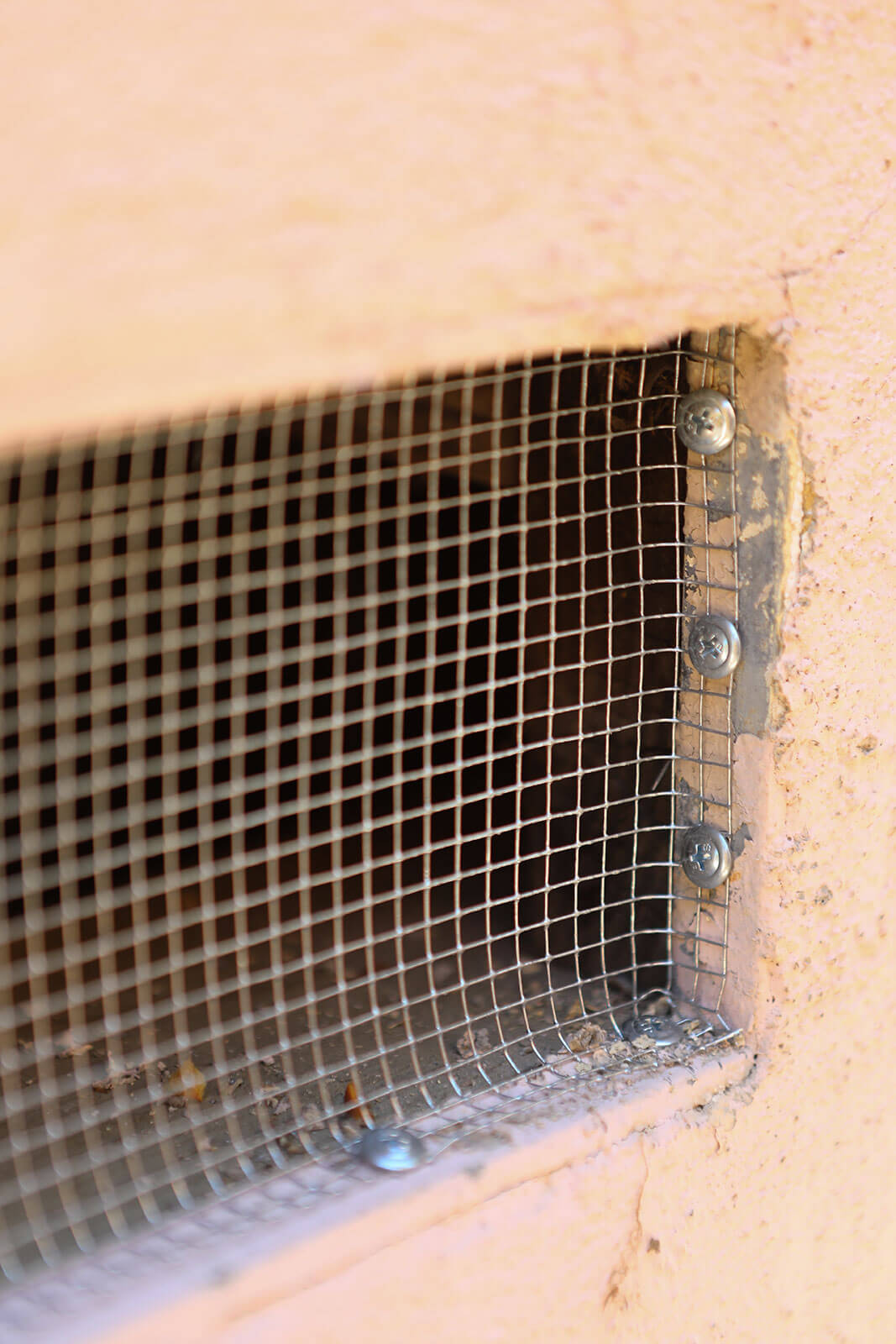
After cleanup and repairs, prevention determines how long you will stay clear of problems. Simple actions matter. Keep attic access doors closed and insulation baffles intact. Store boxes in sealed plastic bins rather than cardboard. Trim tree limbs that touch rooflines since rodents and raccoons use them as bridges. Install gable and soffit vent screens with mesh small enough to block rodents while allowing airflow. Consider predator-friendly measures in your yard, such as reducing ground cover that hides rodents, which in turn reduces attractants near the house.
Energy and insulation upgrades that pay back
Replacing contaminated insulation is an expense, but it can be an investment. Modern insulation with higher R-values reduces energy use in both summer and winter. In Los Angeles, improving attic insulation often cuts cooling loads, which can return a portion of the cost in energy savings over several years. When you need new insulation, ask about dense-pack cellulose as well as fiberglass batts, and weigh sound attenuation, moisture resistance, and fire performance. A contractor should be able to model estimated energy savings or at least explain thermal benefits in practical terms.
Red flags to watch for when evaluating proposals
Watch out for contractors who insist on quick cosmetic fixes without treating entry points, or those who avoid discussing containment and disposal procedures. Low-ball estimates that lack a detailed scope typically lead to change orders once the work begins. Also be wary if a company refuses to submit photographs of past work, or if they lack local references. Finally, demand clarity on warranties for exclusion work. Exclusion is never perfectly permanent, but a good contractor will stand behind their sealing work for a stated period and include follow-up inspections.
Insurance, permits, and documentation
Homeowner policies often cover sudden damage, such as roof penetrations leading to contamination, but rarely routine maintenance or neglect. Keep records of infestations, remediation, and repairs. If you plan to claim, photographic evidence and a line-item invoice from an attic cleaning company strengthen your position. Large-scale mold remediation may require permits in some jurisdictions, or at least adherence to local waste disposal rules. Ensure your contractor handles disposal legally and provides manifests where necessary.
Final thoughts on prioritization and timing
Attic cleaning should sit near the top of your home maintenance priorities, especially if your house is older, has visible signs of rodent activity, or vents circulation from the attic into living spaces. The cost of delay is not merely dollars. It is recurring exposure to allergens and pathogens, increased fire risk from chewed wiring, and progressive loss of energy efficiency. A timely, professional attic cleaning coupled with effective rodent control and sensible preventive measures protects the people and pets who matter most.
Rodent Control Inc.
Los Angeles, CA, United States
+1 (323) 553-5551
[email protected]
Website: https://rodentcontrolinc.com/